

Program Outcomes
Valid after 2025–2026 for All Departments of Our Faculty
|
PO No |
PO Sub |
Program Outcomes |
|
1 |
Engineering Knowledge: Knowledge of mathematics, science, basic engineering, computation, and related engineering discipline-specific topics; the ability to apply this knowledge to solve complex engineering problems. |
|
|
1.1 |
Mathematics |
|
|
1.2 |
Science |
|
|
1.3 |
Basic Engineering |
|
|
1.4 |
Computation |
|
|
1.5 |
Related engineering discipline-specific topics |
|
|
1.6 |
The ability to apply this knowledge to solve complex engineering problems |
|
|
2 |
Problem Analysis: Ability to identify, formulate and analyze complex engineering problems using basic knowledge of science, mathematics and engineering, and considering the UN Sustainable Development Goals relevant to the problem being addressed. |
|
|
3 |
Engineering Design: The ability to devise creative solutions to complex engineering problems; the ability to design complex systems, processes, devices or products to meet current and future needs, considering realistic constraints and conditions. |
|
|
3.1 |
Ability to design creative solutions to complex engineering problems |
|
|
3.2 |
Ability to design complex systems, processes, devices or products to meet current and future needs, considering realistic constraints and conditions |
|
|
4 |
Use of Techniques and Tools: Ability to select and use appropriate techniques, resources, and modern engineering and computing tools, including estimation and modeling, for the analysis and solution of complex engineering problems, while recognizing their limitations. |
|
|
5 |
Research and Investigation: Ability to use research methods to investigate complex engineering problems, including literature research, designing and conducting experiments, collecting data, and analyzing and interpreting results. |
|
|
5.1 |
Literature research for the study of complex engineering problems |
|
|
5.2 |
Designing experiments |
|
|
5.3 |
Ability to use research methods, including conducting experiments, collecting data, analyzing and interpreting results |
|
|
6 |
Global Impact of Engineering Practices: Knowledge of the impacts of engineering practices on society, health and safety, economy, sustainability, and the environment, within the context of the UN Sustainable Development Goals; awareness of the legal implications of engineering solutions. |
|
|
6.1 |
Knowledge of the impacts of engineering practices on society, health and safety, economy, sustainability, and the environment, within the context of the UN Sustainable Development Goals |
|
|
6.2 |
Awareness of the legal implications of engineering solutions |
|
|
7 |
Ethical Behavior: Acting in accordance with the principles of the engineering profession, knowledge about ethical responsibility; awareness of being impartial, without discrimination, and being inclusive of diversity. |
|
|
7.1 |
Acting in accordance with the principles of the engineering profession, knowledge about ethical responsibility |
|
|
7.2 |
Awareness of being impartial and inclusive of diversity, without discriminating on any subject |
|
|
8 |
Individual and Teamwork: Ability to work effectively, individually and as a team member or leader on interdisciplinary and multidisciplinary teams (face-to-face, remote or hybrid). |
|
|
8.1 |
Ability to work individually and within the discipline |
|
|
8.2 |
Ability to work effectively as a team member or leader in multidisciplinary teams (face-to-face, remote or hybrid) |
|
|
9 |
Verbal and Written Communication: Taking into account the various differences of the target audience (such as education, language, profession) on technical issues. |
|
|
9.1 |
Ability to communicate verbally |
|
|
9.2 |
Ability to communicate effectively in writing |
|
|
10 |
Project Management: Knowledge of business practices such as project management and economic feasibility analysis; awareness of entrepreneurship and innovation. |
|
|
10.1 |
Knowledge of business practices such as project management and economic feasibility analysis |
|
|
10.2 |
Awareness of entrepreneurship and innovation |
|
|
11 |
Lifelong Learning: Lifelong learning skills that include being able to learn independently and continuously, adapting to new and developing technologies, and thinking questioningly about technological changes. |
|
NEWSALL NEWS


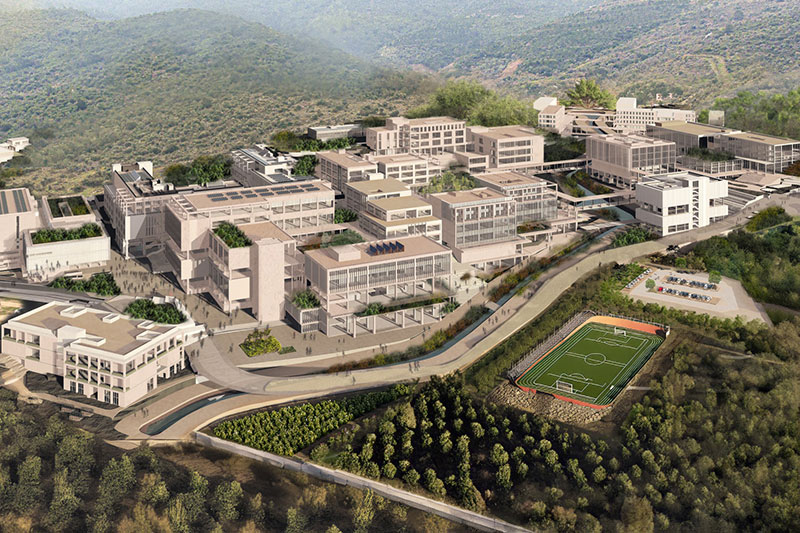
IZMIR UNIVERSITY OF ECONOMICS GÜZELBAHÇE CAMPUS
DetailsGLOBAL CAREER
As Izmir University of Economics transforms into a world-class university, it also raises successful young people with global competence.
More..CONTRIBUTION TO SCIENCE
Izmir University of Economics produces qualified knowledge and competent technologies.
More..VALUING PEOPLE
Izmir University of Economics sees producing social benefit as its reason for existence.
More..